


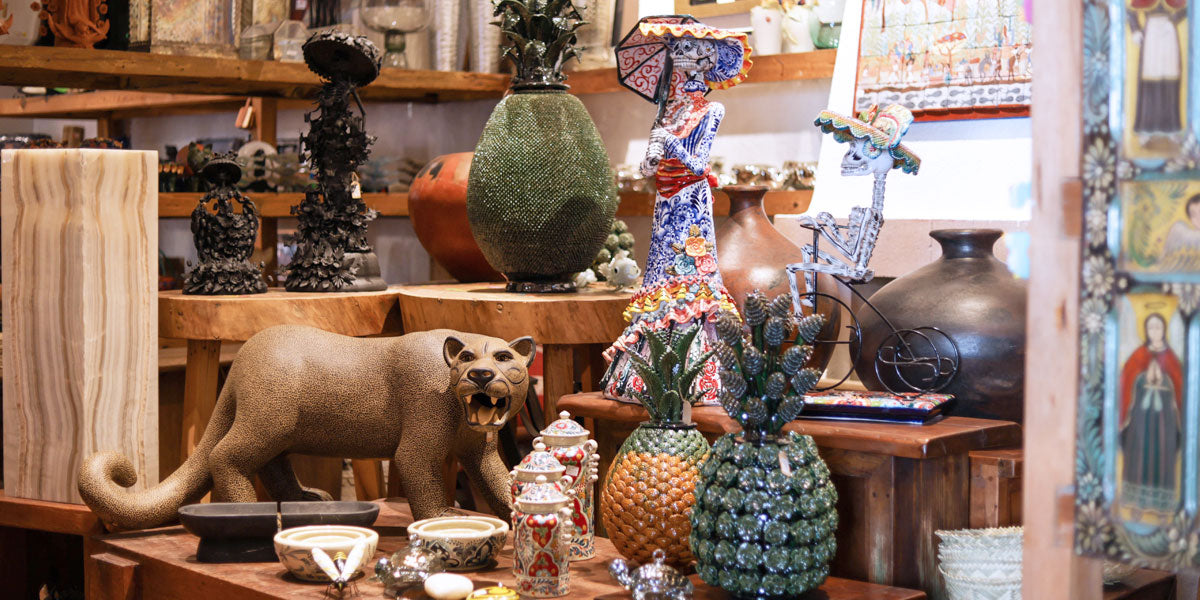
Mexico: a map of living traditions
Mexico is one of the most artisanally diverse countries in the world. Each state, region, and, in many cases, municipality possesses its own unique tradition, reflecting its history, natural environment, and worldview. To explore Mexico’s artisanal regions is to understand the country's cultural geography. Here, we present a brief tour of the country's most emblematic artisanal regions, highlighting the materials, techniques, and traditions that define their identity.
Oaxaca: mastery of clay, textiles, and wood carving
Oaxaca is undoubtedly the Mexican state richest in artisanal traditions. The state's ethnic diversity is directly reflected in the variety of its traditional crafts, notable among which are:
- Black clay from San Bartolo Coyotepec: pieces hand-polished with quartz, without glazes or paint, and fired using an oxygen-reduction process in underground kilns.
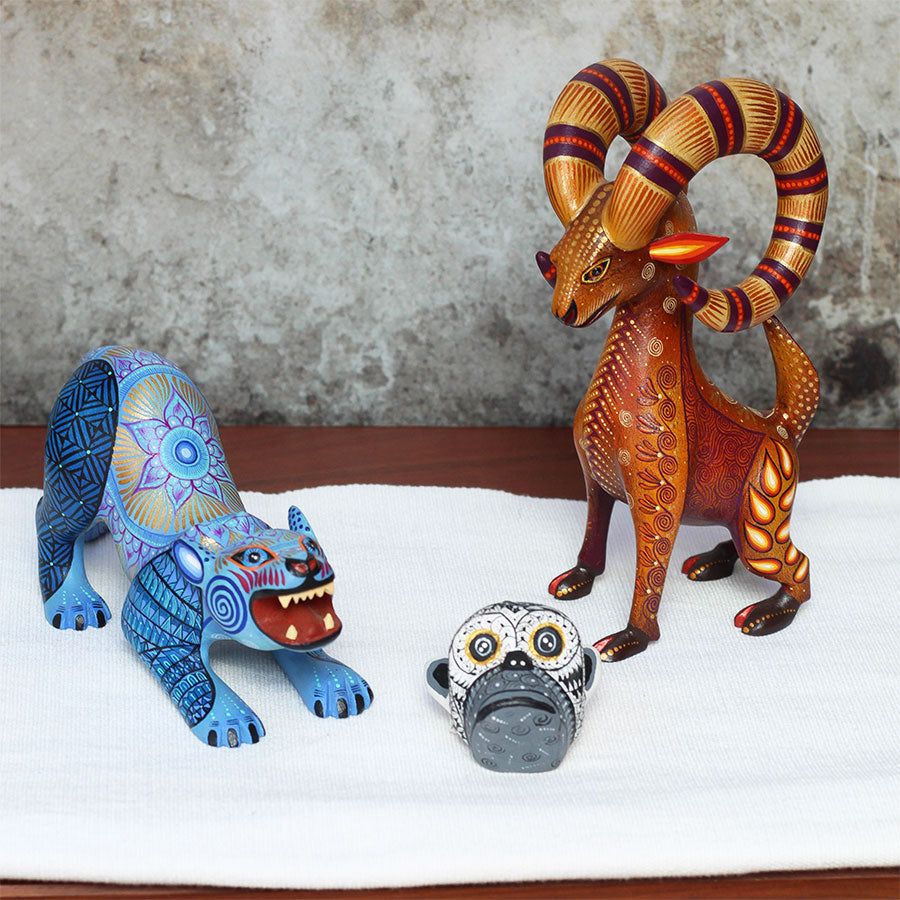
- Wooden alebrijes from San Antonio Arrazola and San Martín Tilcajete: fantastical figures carved from wood (primarily copal) and painted in vibrant colors.
- Wool rugs from Teotitlán del Valle: woven on backstrap or pedal looms featuring Zapotec geometric designs and natural dyes such as cochineal and indigo.
- Mixtec-style gold and silver jewelry: pieces created using pre-Hispanic filigree techniques.
Puebla: ceramics and textiles with a rich history
Puebla’s geographical location made it a key hub for trade between Europe, Asia, and the Americas, profoundly influencing its artistic expressions, such as the creation of the famous talavera, a type of ceramic with an internationally recognized Designation of Origin. Yet, Puebla’s artisanal richness goes even further:
- Talavera de Puebla: hand-decorated glazed ceramics featuring natural pigments in cobalt blue, yellow, green, black, and reddish-orange.
- Cuetzalan textiles: Totonac and Nahua embroidery with floral designs on unbleached cotton fabric.
- Tecali de Herrera onyx and marble: sculptures and decorative objects carved from local semi-precious stone.
- San Pablito Pahuatlán amate paper: made by macerating and processing the bark of the amate tree, a technique of pre-Hispanic origin originally used to create codices.
Chiapas: living Mayan textiles and traditional amber
Chiapas preserves some of Mesoamerica's oldest textile traditions, deeply connected to the natural environment and the ceremonial structures of the Tzotzil and Tzeltal communities, who create pieces of extraordinary complexity:
- San Juan Chamula huipiles: woven on backstrap looms, primarily using sheep's wool, in black, white, and red.
- Textiles from Zinacantán and San Cristóbal de las Casas: backstrap-woven pieces featuring intricate embroidery that depicts the region's flora, fauna, and worldview.
- Simojovel amber: fossilized resin dating back over 20 million years, making it among the oldest in the world, used to craft jewelry and amulets; these pieces are protected by a Designation of Origin.
Guerrero: lacquerware, wood, and silver
Guerrero is a state of contrasts in craftsmanship, featuring traditions that range from metalwork to painting:
- Wooden masks from Tixtla and Chilapa: used in traditional dances such as the "Danza de los Tlacololeros".
- Olinalá lacquerware: a pre-Hispanic decorative technique applied to linaloé wood, featuring floral and geometric designs; it holds a Designation of Origin.
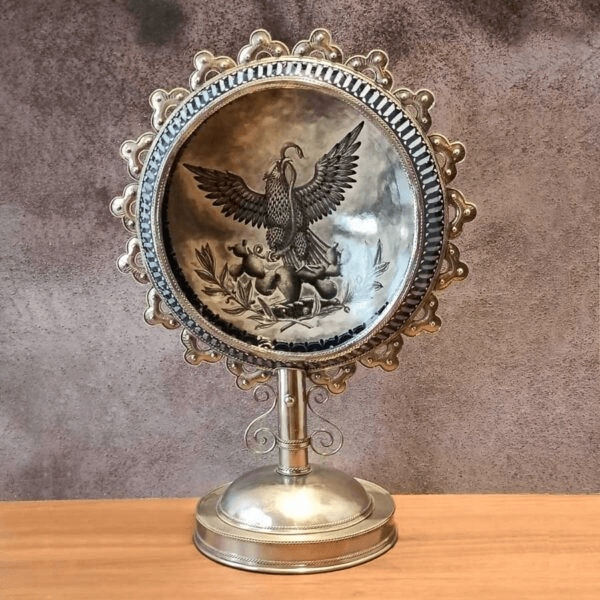
- Taxco silver: jewelry and silver objects crafted by master silversmiths using techniques dating back to the 18th century.
Michoacán: mastery of copper, wood, and ceramics
Michoacán’s artisanal tradition is deeply rooted in the pre-Hispanic era and boasts a diversity that encompasses a wide range of techniques and materials:
- Copperwork from Santa Clara del Cobre: a technique in which artisans shape the metal using heat and coordinated hammer blows, creating everything from vessels to high-precision utilitarian objects.
- Lacquer and maque from Pátzcuaro and Uruapan: a traditional painting technique using natural oils (such as chia or aje) and mineral pigments applied to wood, often inlaid or hand-decorated, to create items such as trays, boxes, and decorated furniture.
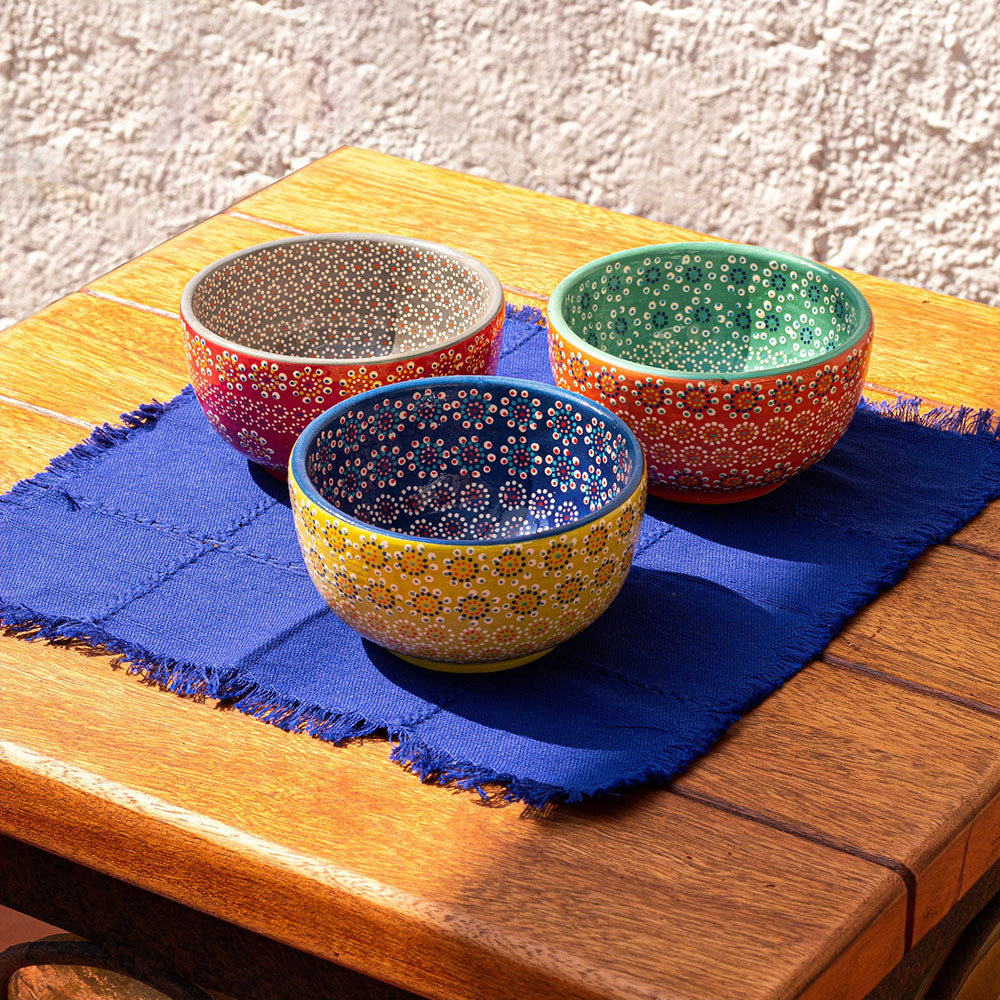
- Ceramics from Tzintzuntzan: earthenware pieces featuring green and white decoration, carrying on the Purépecha tradition.
- Pottery from Capula and Patamban: renowned for fine dot-work patterns, green-glazed earthenware, and famous clay Catrinas.
Hidalgo: Otomí embroidery
The Mezquital Valley in Hidalgo is the heart of Otomí embroidery, one of Mexico’s most internationally recognized artisanal traditions. Its characteristics include:
- Figures of animals, plants, and scenes from daily life embroidered with vibrantly colored threads.
- Crafted on manta (unbleached cotton) fabric or amate (bark paper).
- Each design holds symbolic meaning related to the Otomí worldview.
Jalisco: high-temperature ceramics and blown glass
Jalisco combines traditional pottery heritage with large-scale technical developments for contemporary design and decoration.
- Ceramics from Tonalá and Tlaquepaque: notable techniques include "barro barroco" (Baroque-style clay), "barro bruñido" (burnished clay), and "barro petatillo", the latter characterized by a fine, brush-painted lattice pattern on the piece's surface.
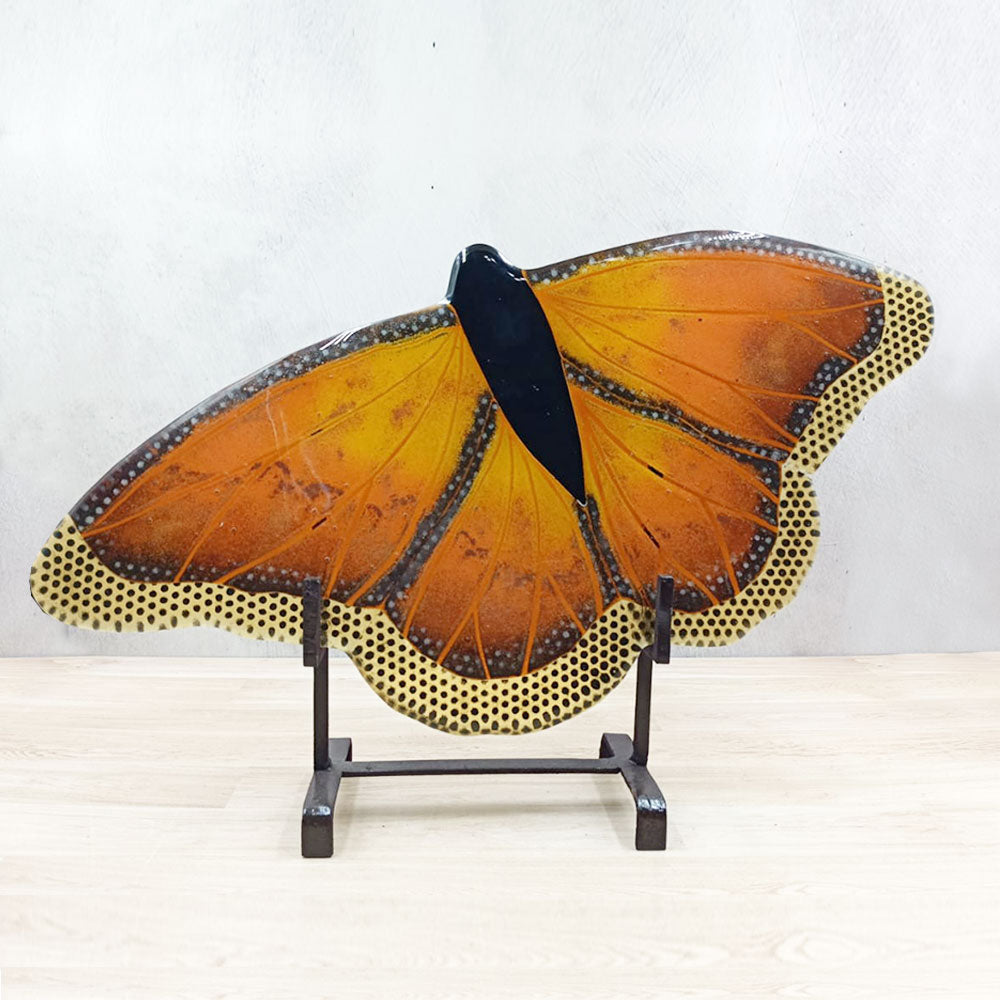
- Blown glass: a production hub specializing in glass melting and shaping using a blowpipe; highly prized for use in tableware, lighting, and architectural elements.
Why purchase handicrafts while knowing their region of origin?
For Tikal Arte Mexicano, understanding Mexico’s craft landscape, and helping you identify the region or community where each piece originated, allows you to know exactly where the item you are bringing into your home comes from and to appreciate the technical complexity behind it.
Purchasing a handcrafted piece promotes the preservation of traditions (many of which are at risk of disappearing), boosts the economies of artisan communities, ensures sustainable production processes through low-impact resource use, and offers distinctive design alternatives of great cultural value in an increasingly globalized market.