


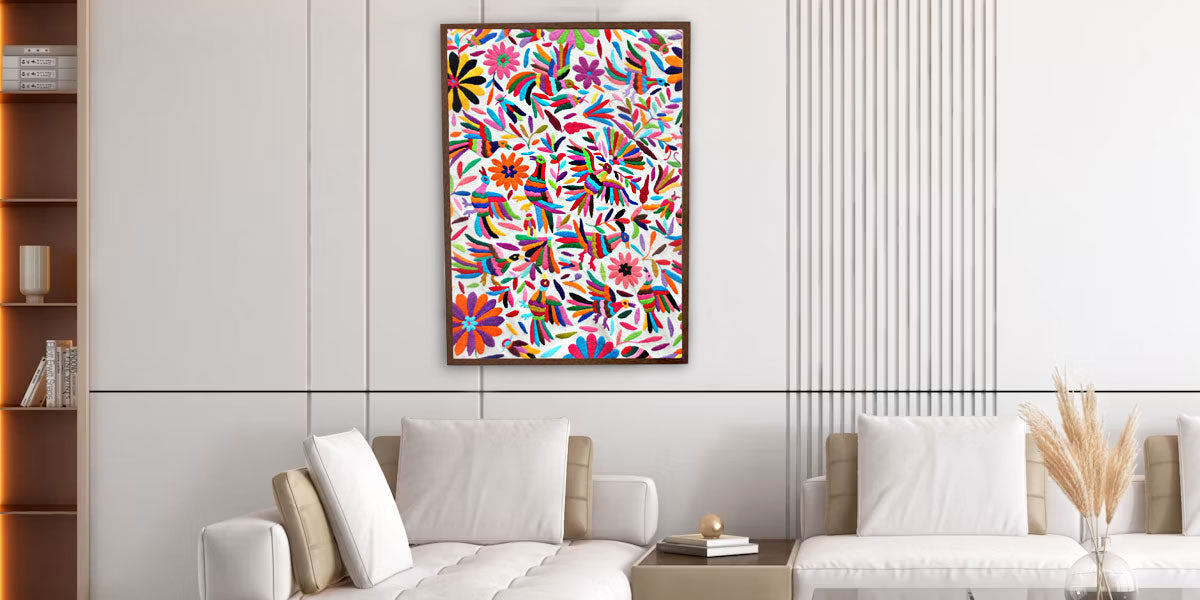
How to decorate your home with Mexican handicrafts
Decorating with Mexican handicrafts goes far beyond filling a shelf with eye-catching objects; it is about bringing history, identity, and human warmth into the spaces you inhabit. Integrating artisanal pieces into interior design does not require transforming your home into an overloaded or themed space; it's enough to choose the right accents to create balanced, modern, and lively combinations.
1. The focal point: a piece that tells a story
The first step to decorating with handicrafts is to choose a protagonist piece that anchors the space. It could be a black clay vase on a shelf, a Zapotec rug in the living room, or a piece of Talavera above the fireplace. The key is for it to be a piece that invites the question: Where does this come from?
2. Mixing materials and color: the secret to a space with depth without being overwhelming
Mexican handicraft works with natural materials that complement each other and modern elements; it's also known for its vibrant colors, but this does not mean your space must be an explosion of color, the key lies in balance. Here are some combinations and recommendations that work very well:
- Talavera + wrought iron + dark wood: perfect for rustic or colonial interiors.
- Embroidered textiles + concrete + metal: an interesting contrast for industrial or minimalist spaces with an accent.
- Copper + stone + plants: an organic combination ideal for kitchens and dining rooms with a Mediterranean style.
- Use a neutral palette as a base (white, beige, gray, soft terracotta) and add the color accent with the handicrafts.
- Group pieces of the same origin or palette to create visual coherence.
- A single piece of intense color can be enough to transform an entire room.
3. Scale and proportion: choosing the right size
In decoration, one of the main rules is that the size of the piece must be proportional to the space where it will go. Here are some practical criteria:
- Large pieces (tall vases, rugs, paintings) as focal points on walls or floors.
- Medium pieces (decorative plates, figurines, candelabras) on shelves, tables, and dressers.
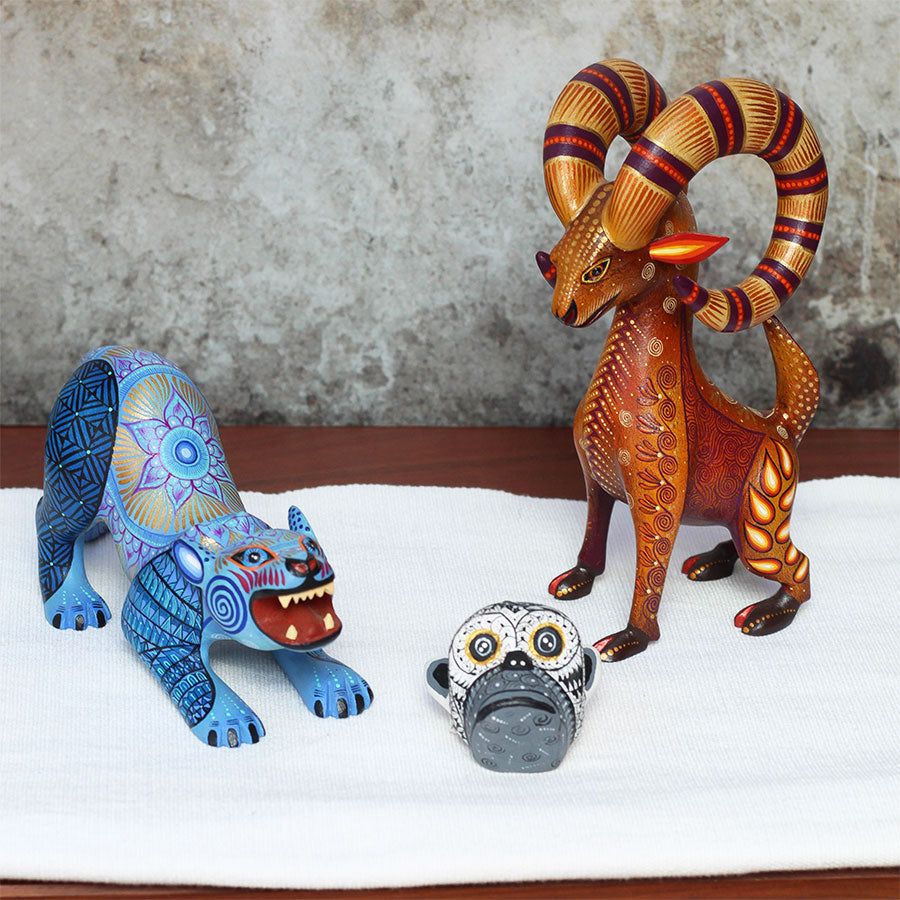
- Small pieces (alebrijes, jewelry boxes, candle holders) grouped in odd numbers to create dynamic compositions.
4. Contemporary Mexican style: tradition without clichés
Contemporary Mexican style does not mean filling a space with traditional colors and symbols; it is about integrating the craft with discernment, respecting its cultural value, and combining it with modern elements that enhance it. Here are some tips:
- Less is more: a single authentic piece has more impact than ten generic decorative items.
- Tell the story: place a discreet card or label with the origin and artisan of each piece.
- Mix eras: a pre-Hispanic piece next to a modern Scandinavian piece of furniture can create an extraordinary composition.
Practical ideas for decorating room by room
1. The living room: the meeting point and the first impression
The living room is the quintessential space for socializing and the first impression of your home. This requires elements that capture visual attention and invite conversation without overcrowding circulation areas or the view.
- Textiles as the center of attention: Use a waist loom rebozo or a wool rug from Teotitlán del Valle (Oaxaca) over sofas in neutral tones (beige, light gray, or natural linen). The geometric texture of the textile provides immediate dynamism to the smooth surface of the furniture.
- Details on tables: A black clay vase or a high-temperature ceramic vessel on the coffee table adds volume and an elegant texture.
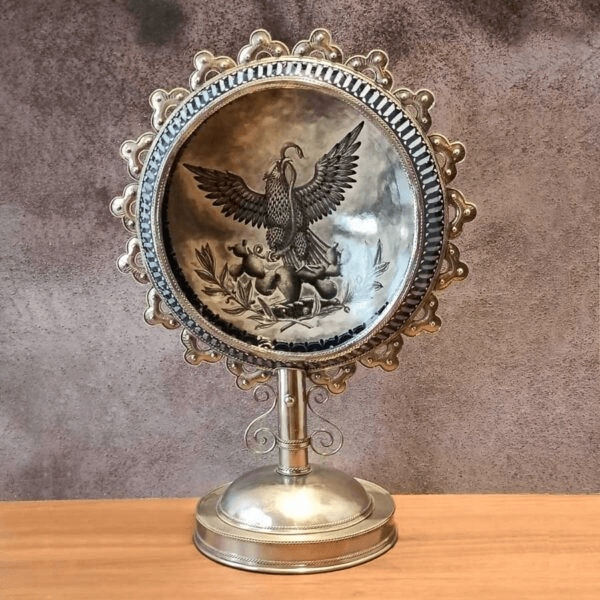
- Walls with life: Instead of conventional paintings, place a mirror with a embossed tin frame to reflect natural light and add volume to the space, or install a shelf with well-lit small alebrijes.
2. The bedroom: serenity, texture, and warmth
The bedroom is a place for serenity and rest, so visual rest is prioritized. Artisanal decoration here should focus on soft textures and calm tones.
- Cozy headboard and foot of the bed: Add a pedal loom piece or an artisanal cotton blanket at the foot of the bed as a sophisticated detail. Opt for earth colors, indigo blue, or neutral tones to maintain the tranquility of the space.
- Ambient lighting: Incorporate lampshades made of vegetable fiber, such as woven palm or ixtle, which cast patterns of warm, nuanced light at sunset.
- Details on nightstands: Place linaloe wood boxes (Olinalá lacquer) on the nightstand to store personal accessories; their soft aroma and hand-painted details provide a touch of discreet luxury in the personal environment.
3. The kitchen: functionality with traditional character
In the kitchen, artisanal pieces must reconcile daily use with their decorative value, prioritizing materials that are durable and useful on a day-to-day basis.
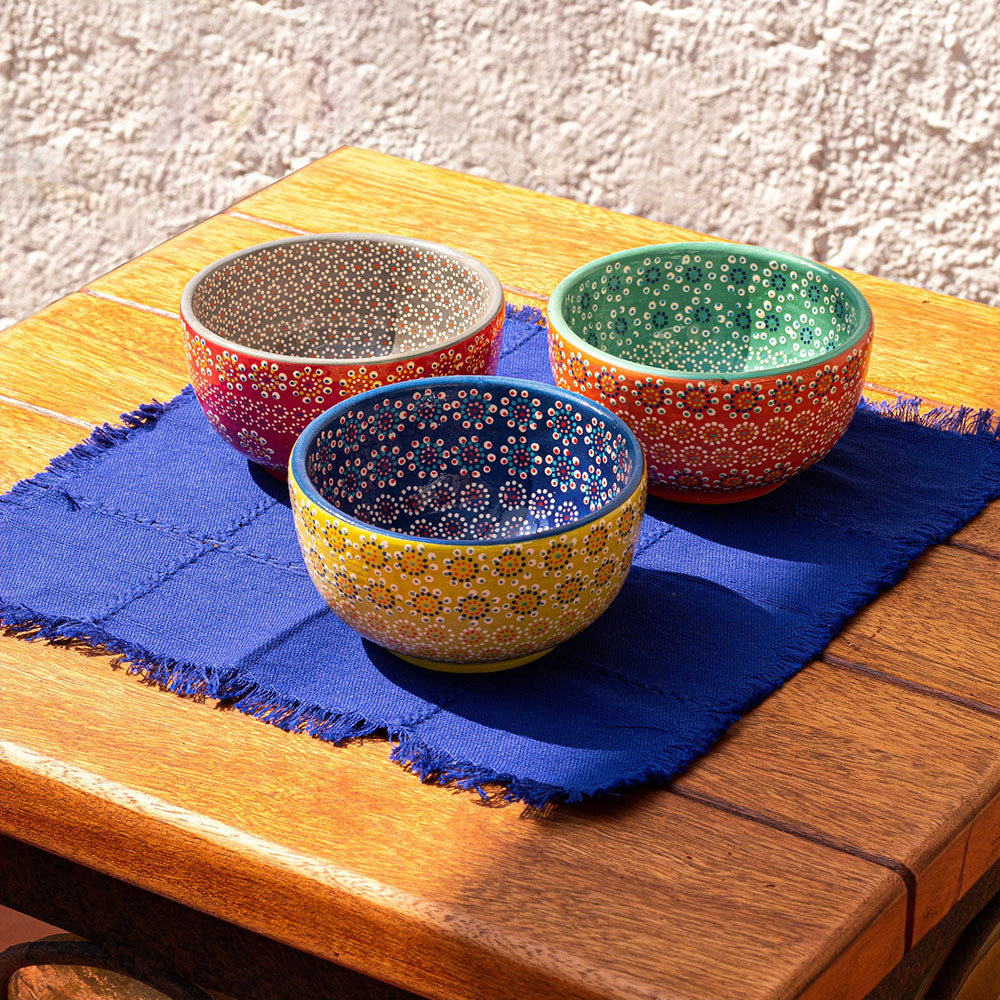
- Tableware and service on display: Place plates or cups of Talavera from Puebla or high-temperature ceramics from Michoacán on open shelves. The contrast between blue or mineral patterns against plain tiles highlights the architecture of the kitchen area.
- Functional storage: Use dyed palm or reed baskets to organize fruit, bread, or wooden utensils on the counters. They provide an organic texture that balances cold surfaces like granite or stainless steel.
- Table textiles: For the daily dining table or the bar, table runners embroidered with cross-stitch or the Tenango (Hidalgo) technique on a neutral base offer a focused color accent that is easy to refresh.
4. The study or home office: inspiration and sober sophistication
A workspace needs order to encourage concentration, but also elements that stimulate creativity.
- Desk organization: Incorporate organizers or bookends made of clay or carved volcanic stone to organize pens and documents. The solidity of the material provides visual structure to the work area.
- Sculpture and volume: A figure carved in Chiapas amber or an unpainted copal wood piece placed near a source of natural light adds a sculptural element that exudes sophistication and provides visual relief for your mind during the workday.
- Wall art: A traditional print, an amate paper canvas, or a Huichol art frame (beads on wax) protected by glass are an excellent option as a background for video calls or professional meetings.
5. The terrace or garden: the transition between living space and nature
Incorporating Mexican handicrafts outdoors allows for the creation of relaxed, fresh atmospheres with a high visual impact, taking advantage of organic materials that withstand the environment well and gain character over time.
- Planters: Replace plastic pots with pieces of red clay, high-temperature clay, or Talavera. By combining the green of the plants with the reddish tones of the clay or the blue and colorful patterns of the ceramics, the vegetation stands out immediately. For hanging plants, use supports woven from natural fibers.
- Resistant furniture and textiles: Incorporate wall chairs or traditional leather and rosewood equipales, which provide a rustic and extremely comfortable aesthetic. Complement the lounge area with cushions covered in waist loom cotton thread covers, which are easy to remove and wash.
- Night lighting: Use lanterns of cut tin or lamps woven from palm or wicker suspended from the ceiling of the terrace. When turned on, the cutouts and weaves generate warm and intimate lighting for the afternoons and evenings.
Find your perfect piece at Tikal Arte Mexicano
At Tikal Arte Mexicano, we have a careful selection of handicrafts from different regions of Mexico, each with its own history and origin. From clay vases to artisanal textiles, you will find the piece that will transform your space into something unique.