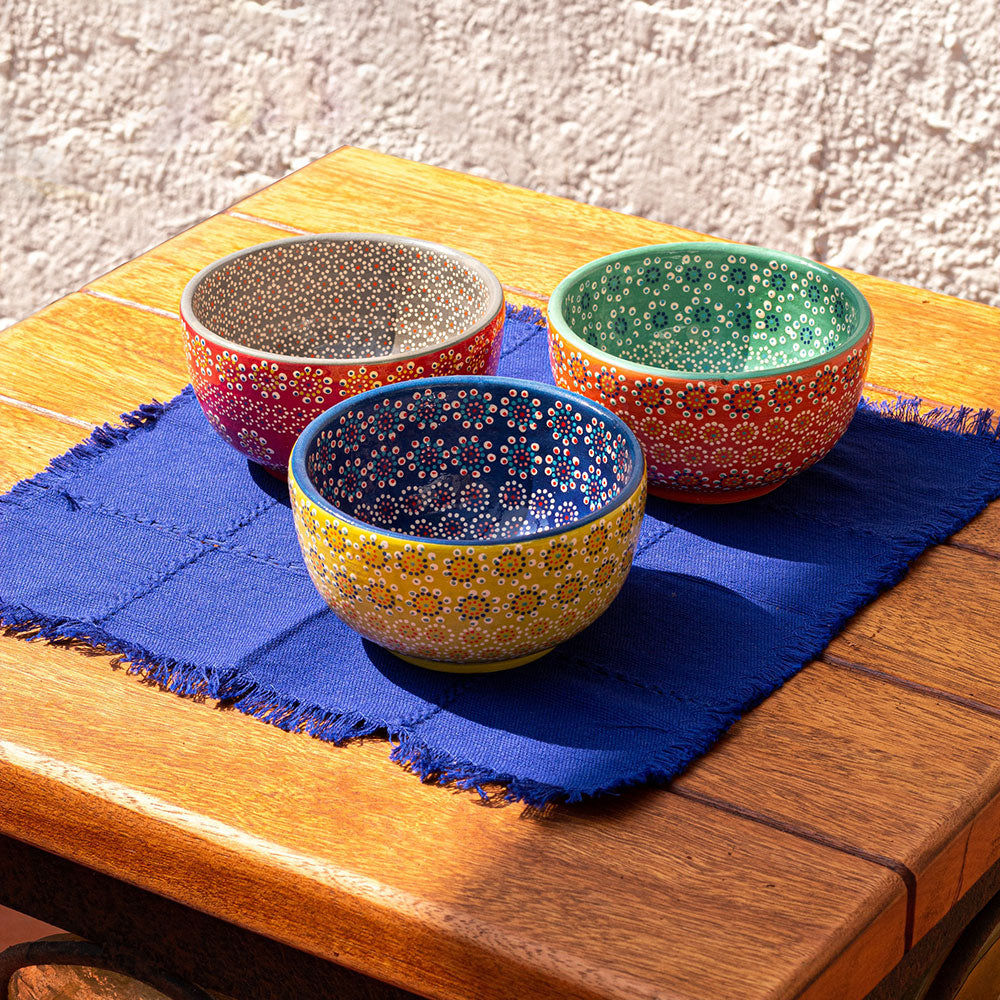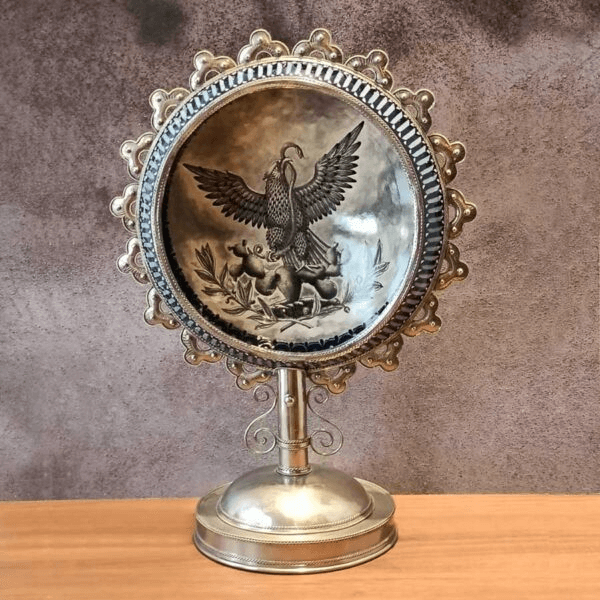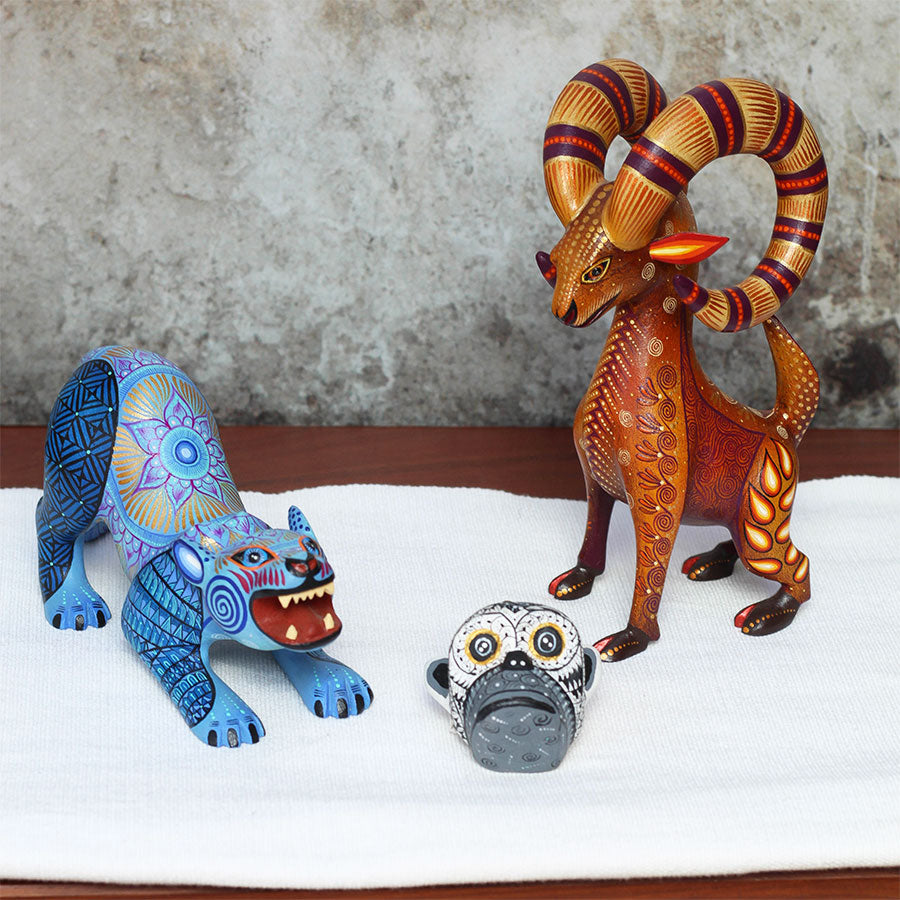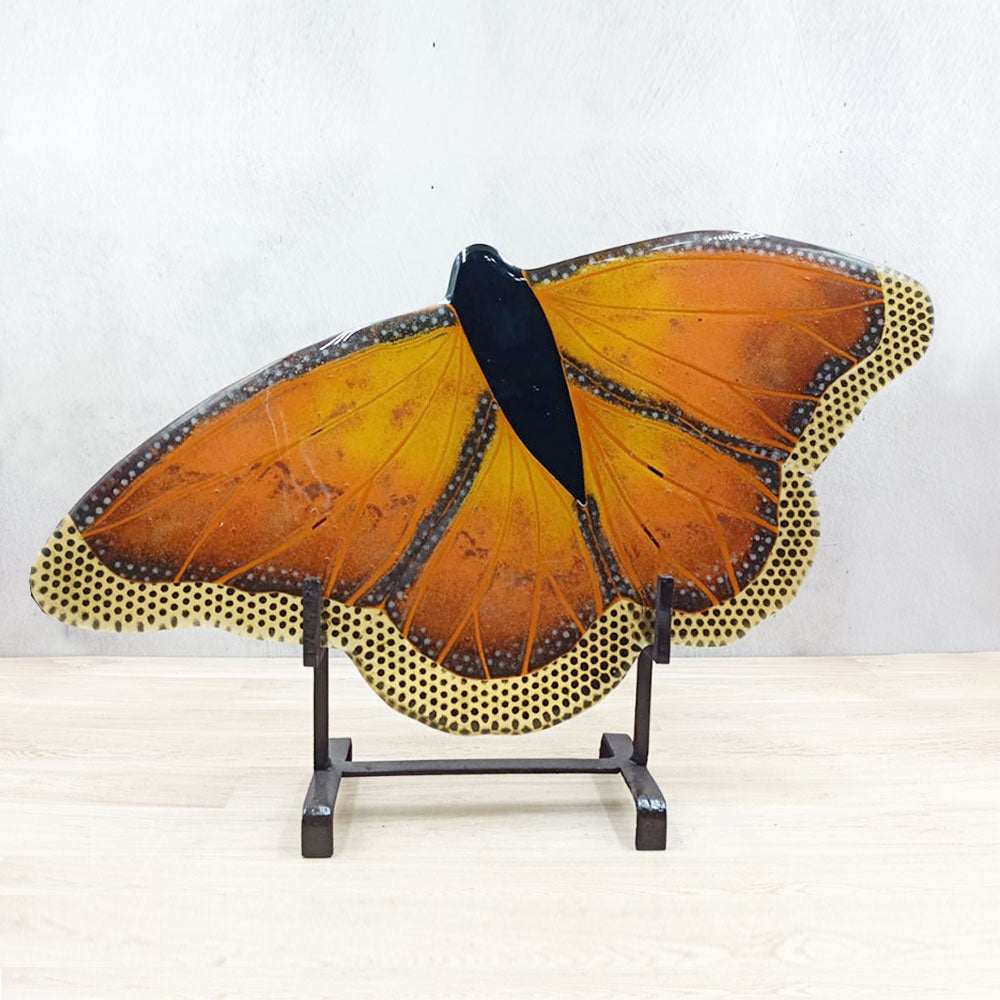



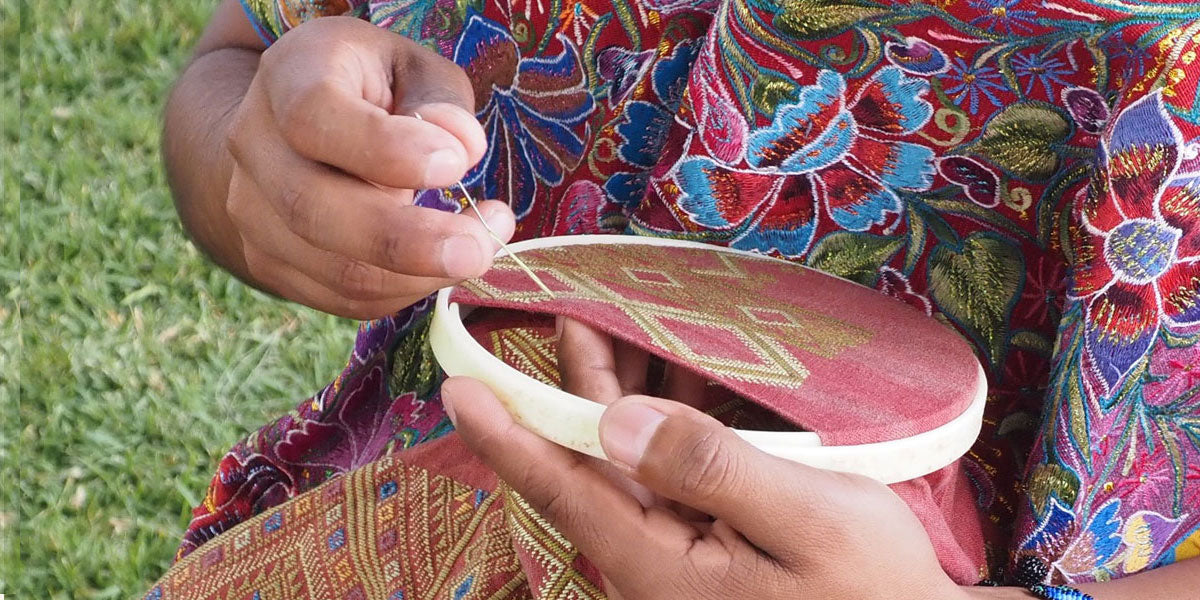
The soul behind every piece
What makes Mexican craftsmanship authentic
1. The dilemma of authenticity versus industrial production
Purchasing décor for your home or office should be an exciting process, but it can sometimes become a challenge: how do you know if you are buying a genuine handcrafted piece or a mass-produced imitation?
In a market saturated with synthetic replicas, it is easy to lose connection with true cultural value. An authentic Mexican craft does not depend on a factory seal or a label; lies in the fact that each piece is a physical record of time, territory and tradition.
2. The origin of value: time, territory, and tradition
A piece of Mexican folk art is not merely a decorative object; it is a piece with a living story to tell. Encapsulated within its colors and forms are a people's cosmology, the significance of their festivities, and knowledge passed down from generation to generation.
Each piece is created by artisans in specific communities across Mexico who work with resources sourced from their own natural surroundings—for example:
- Oaxaca's black clay.
- Copal or linaloe wood from Guerrero.
- Natural fibers from Chiapas.
- Organic dyes, such as cochineal.
3. Ancestral techniques and designations of origin
Each region of Mexico protects its own knowledge that has been perfected over the centuries. Processes such as backstrap loom weaving, Otomi embroidery or Tonalá ceramics are part of the Intangible Cultural Heritage recognized by UNESCO.
There are also pieces with a Designation of Origin—such as Talavera de Puebla—whose official certification legally guarantees that the piece was crafted in a specific geographic region and in strict adherence to traditional production methods.
4. The impact of craftsmanship on interior decoration
Bringing Mexican craftsmanship into an interior space completely transforms the atmosphere of any room or office. In design practice, this translates into three key aspects:
- Irreplaceable uniqueness: Since no two pieces are identical, your space gains character and its own identity, moving away from generic, mass-produced catalogs.
- Organic texture and warmth: Materials like clay, wool, wood, and plant fibers (such as palm) break with the coldness of synthetic finishes, adding volume, tactile richness and comfort.
- Narrative and conversation: A clay "Tree of Life" or a traditional textile does more than just adorn a space; it acts as a focal point that sparks conversation and creates an emotional connection with those who inhabit or visit the setting.
5. Why "imperfections" are the greatest proof of authenticity
In the industrialized world, any variation in color or shape is considered a manufacturing flaw; conversely, in handcrafted pieces, any slight variation or "imperfection" is not a defect but a mark of origin—proof that the piece did not come from an automated assembly line, but from the work of an artisan. Its true value lies not in symmetry, but in the history imprinted upon it.
Ready to transform your spaces with history?
Choosing authentic Mexican handicrafts is a decision that goes beyond aesthetics: it is a way to directly support Mexico's artisan communities, preserve ancestral techniques at risk of disappearing, and adorn your home or office with pieces of genuine cultural value.
At Tikal Arte Mexicano, we collaborate directly with master artisans from across the country to bring you 100% authentic, handmade pieces with soul.